

CLEANER MOUNTAINS
MAKE THE INVISIBLE VISIBLE
Studies on micro litter and microplastics in particular are accumulating to determine their impacts on the environment and their potential risk to health. Plastics have been studied for years, notably their effects in the oceans and the damage to wildlife, but knowledge about the impact of their fragmentation is still lacking.
Micro litter is smaller than 5 mm and is ubiquitous in ecosystems. Easily washed away by rainwater and meltwater, it can be transported over very long distances and affect the entire food chain. Indeed, organisms can easily ingest it. Non biodegradable, it accumulates in the environment and throughout the food chain: this is what we call the phenomena of bioaccumulation and biomagnification.
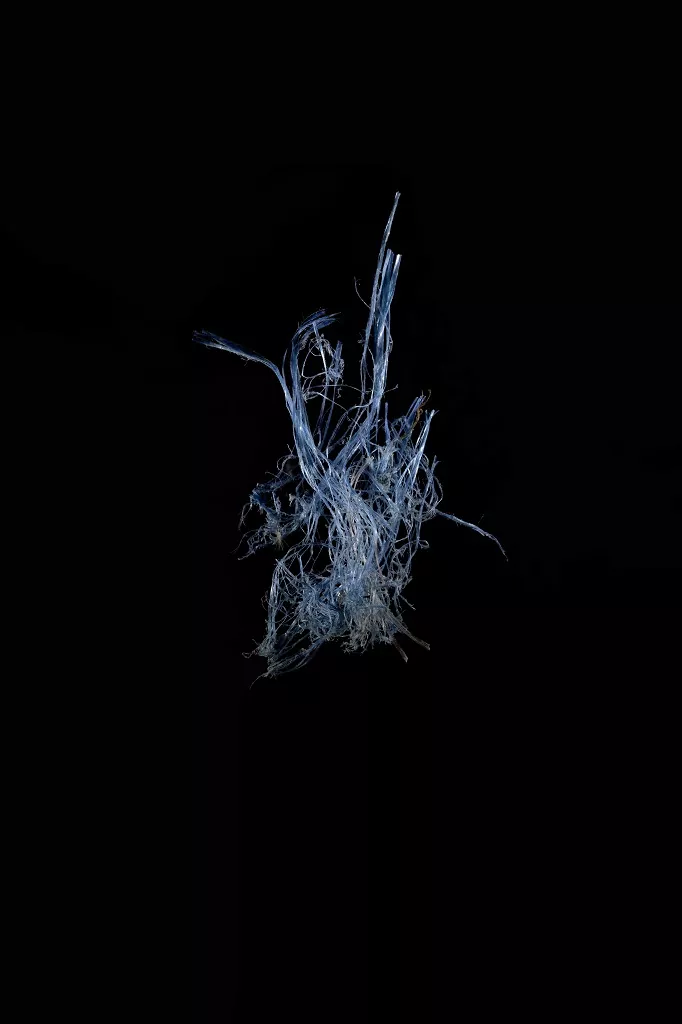
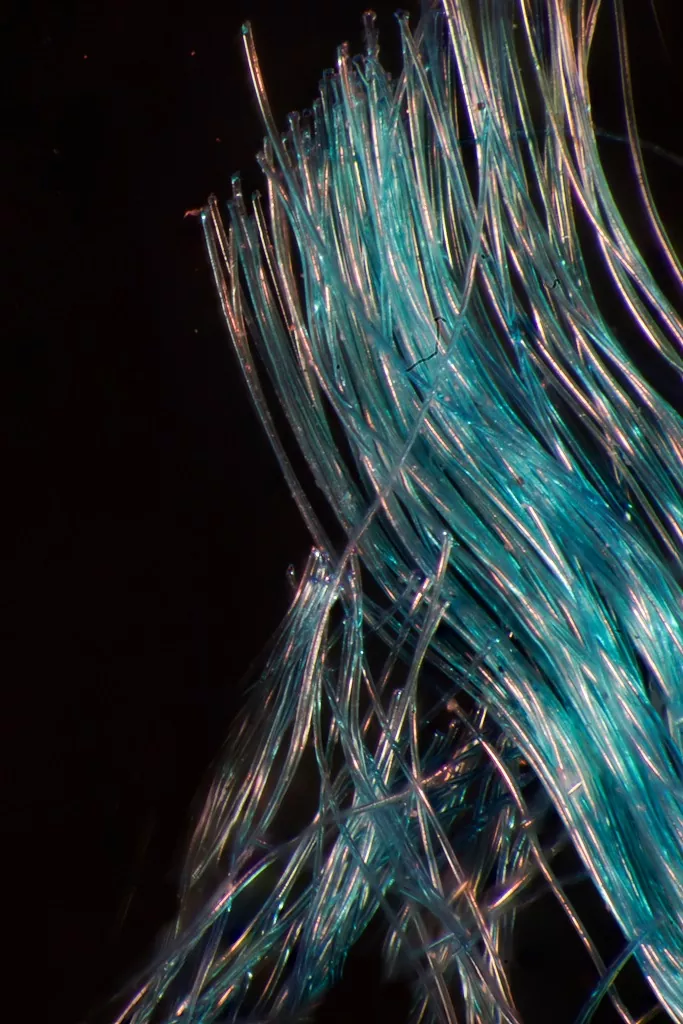
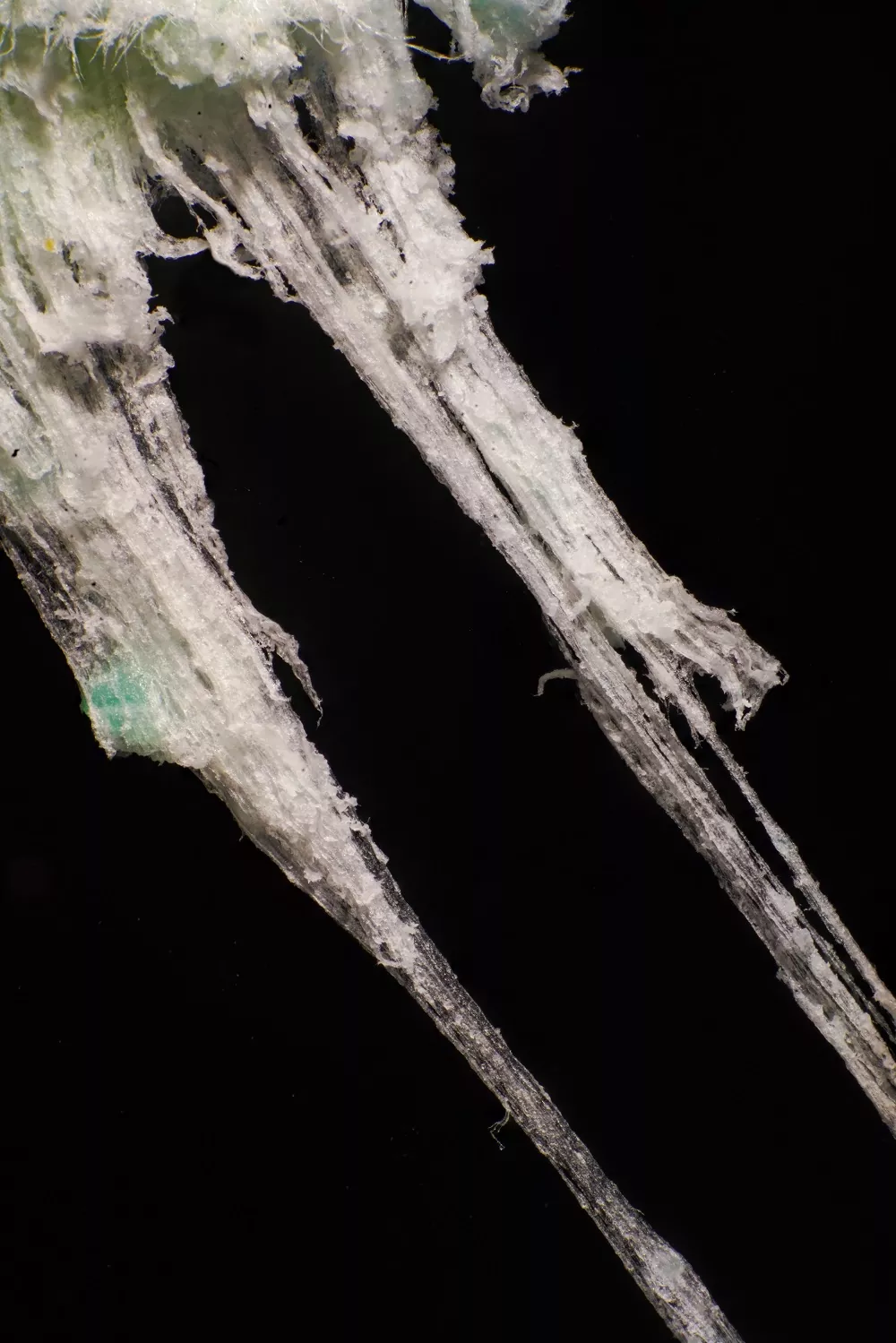
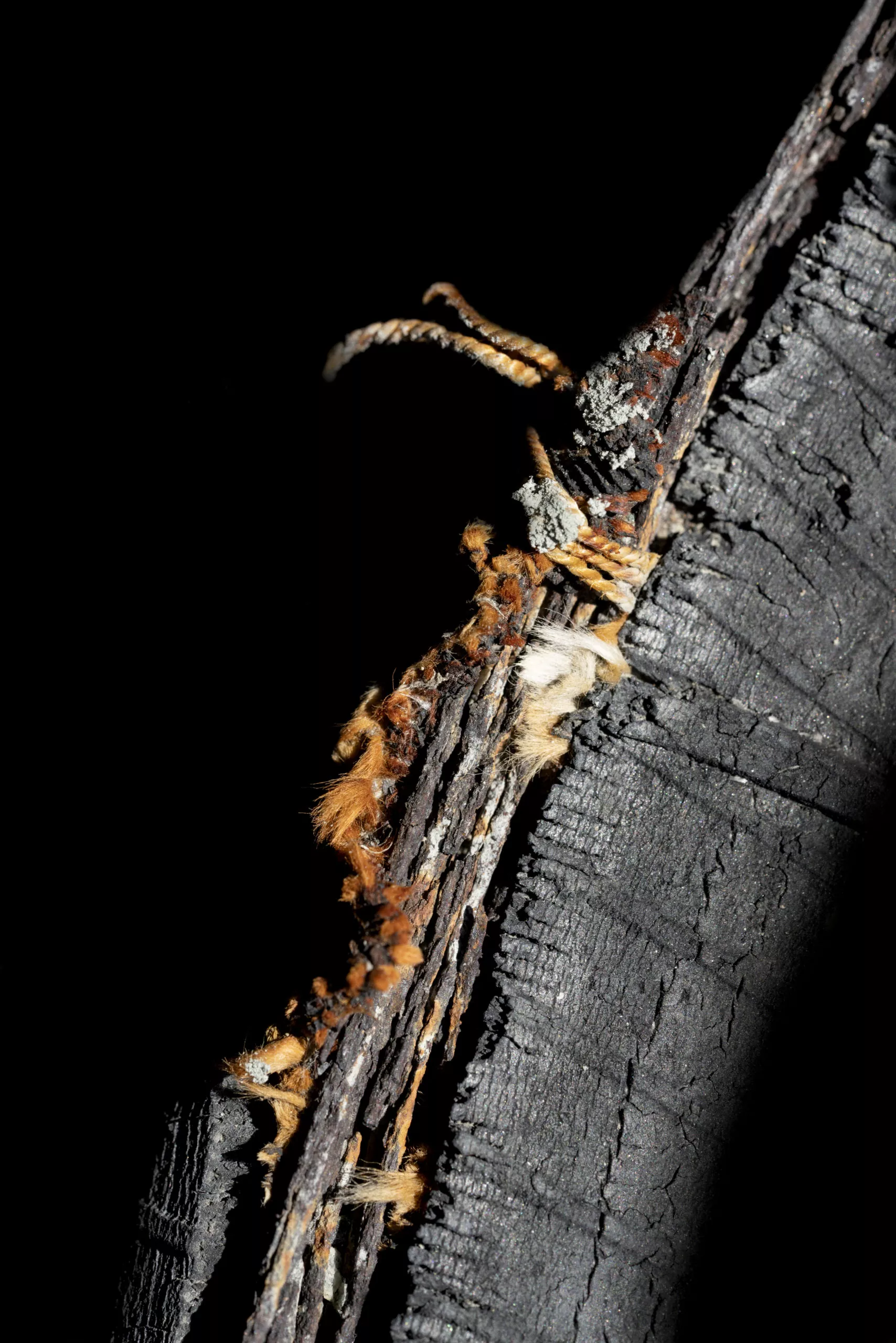
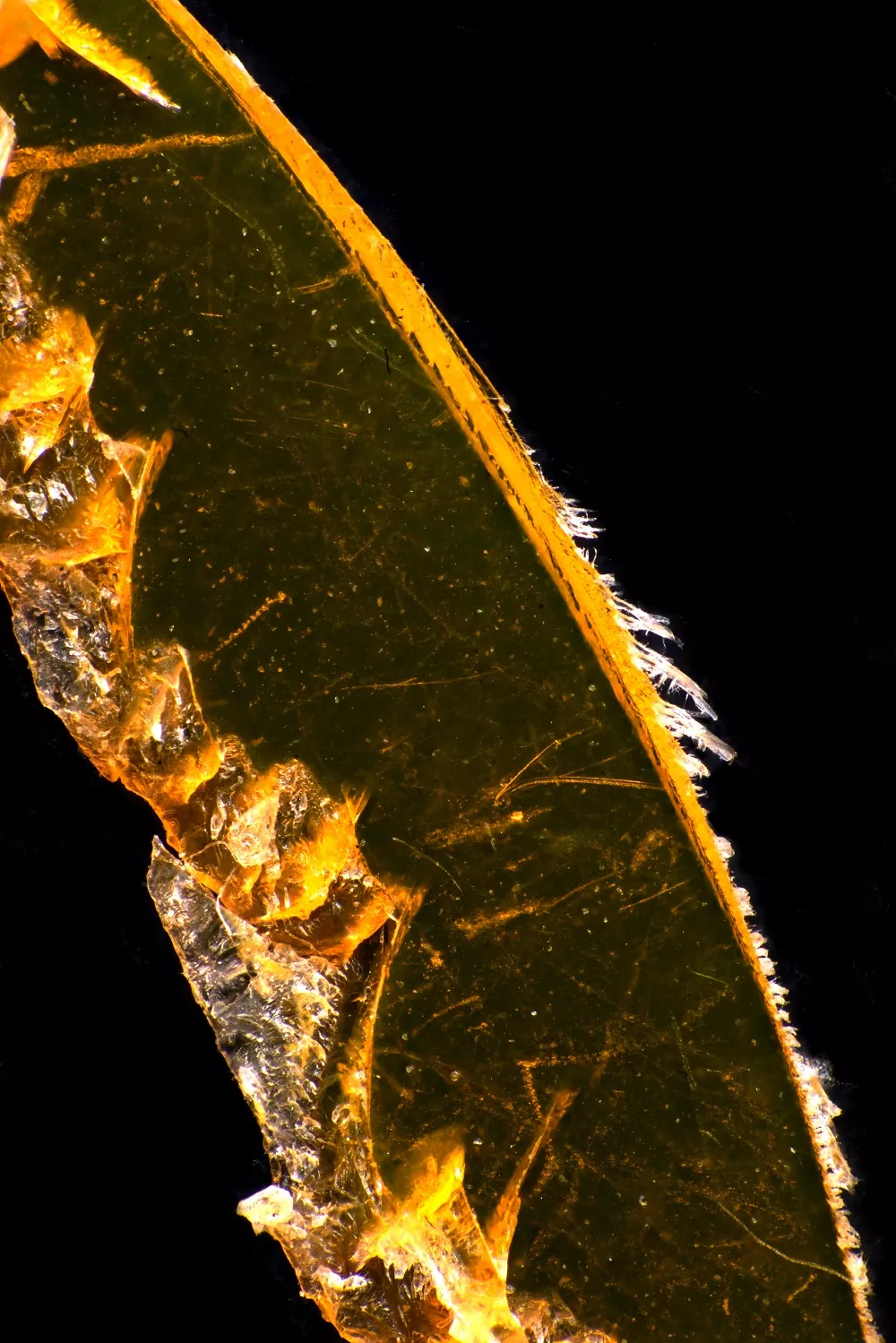
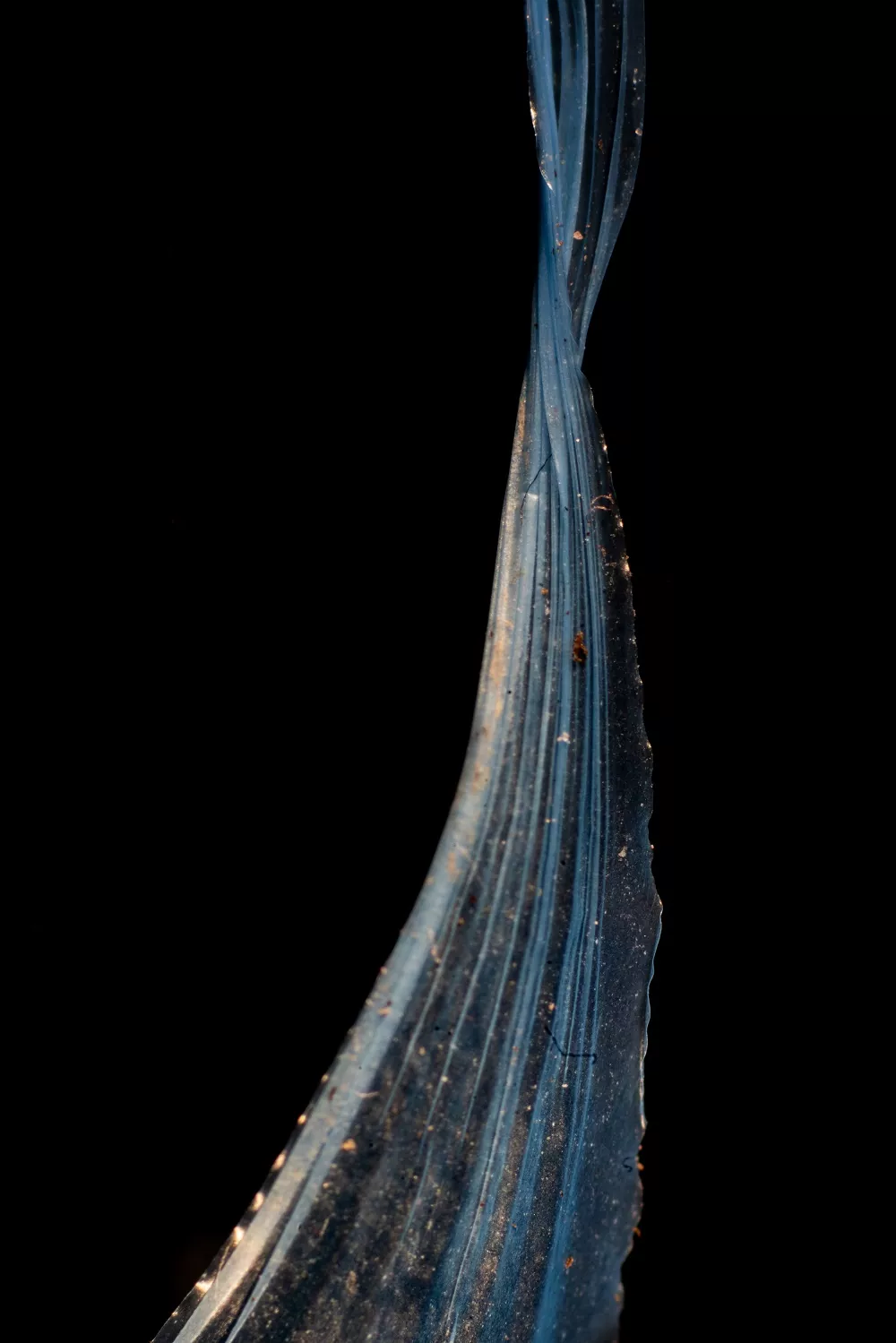
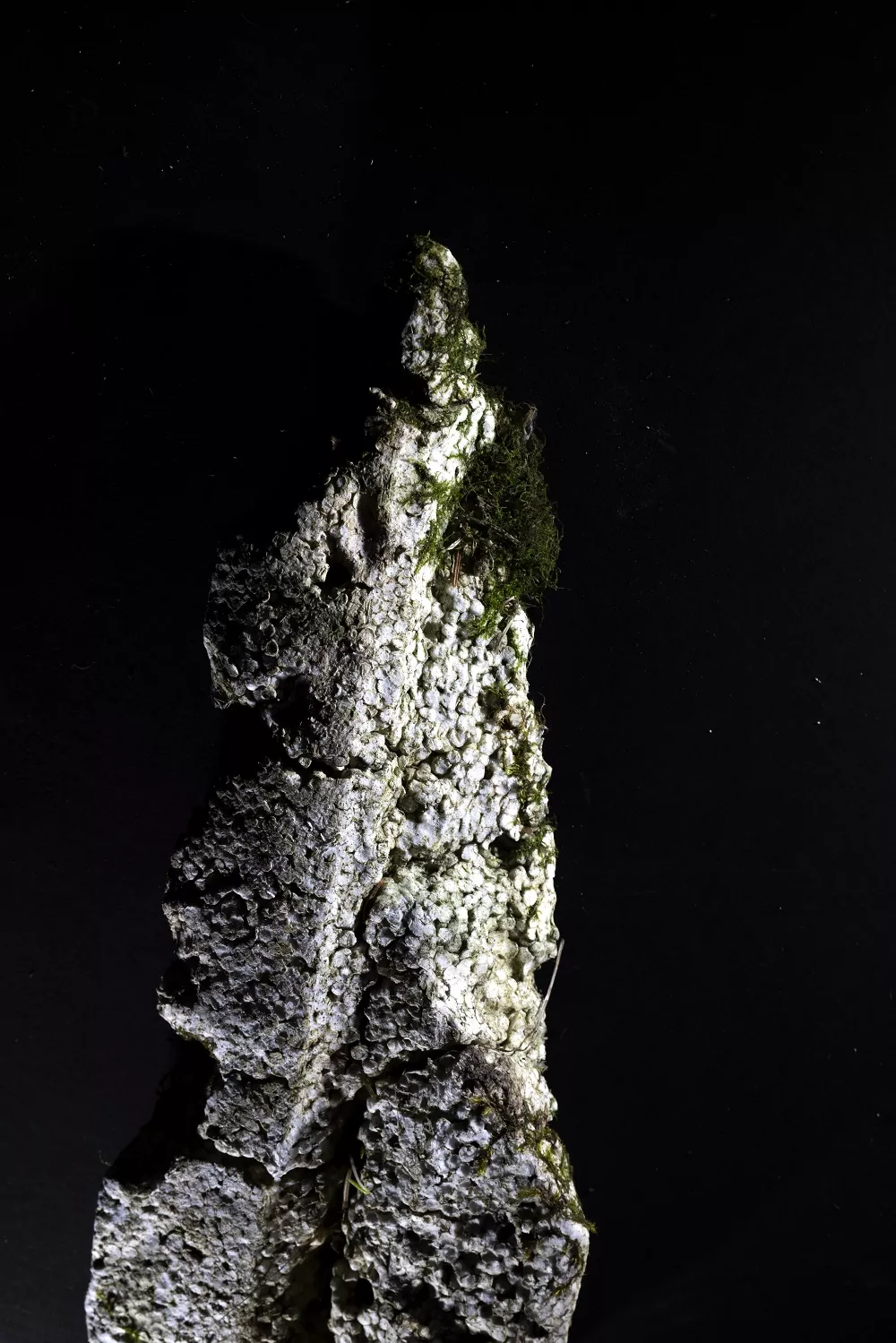
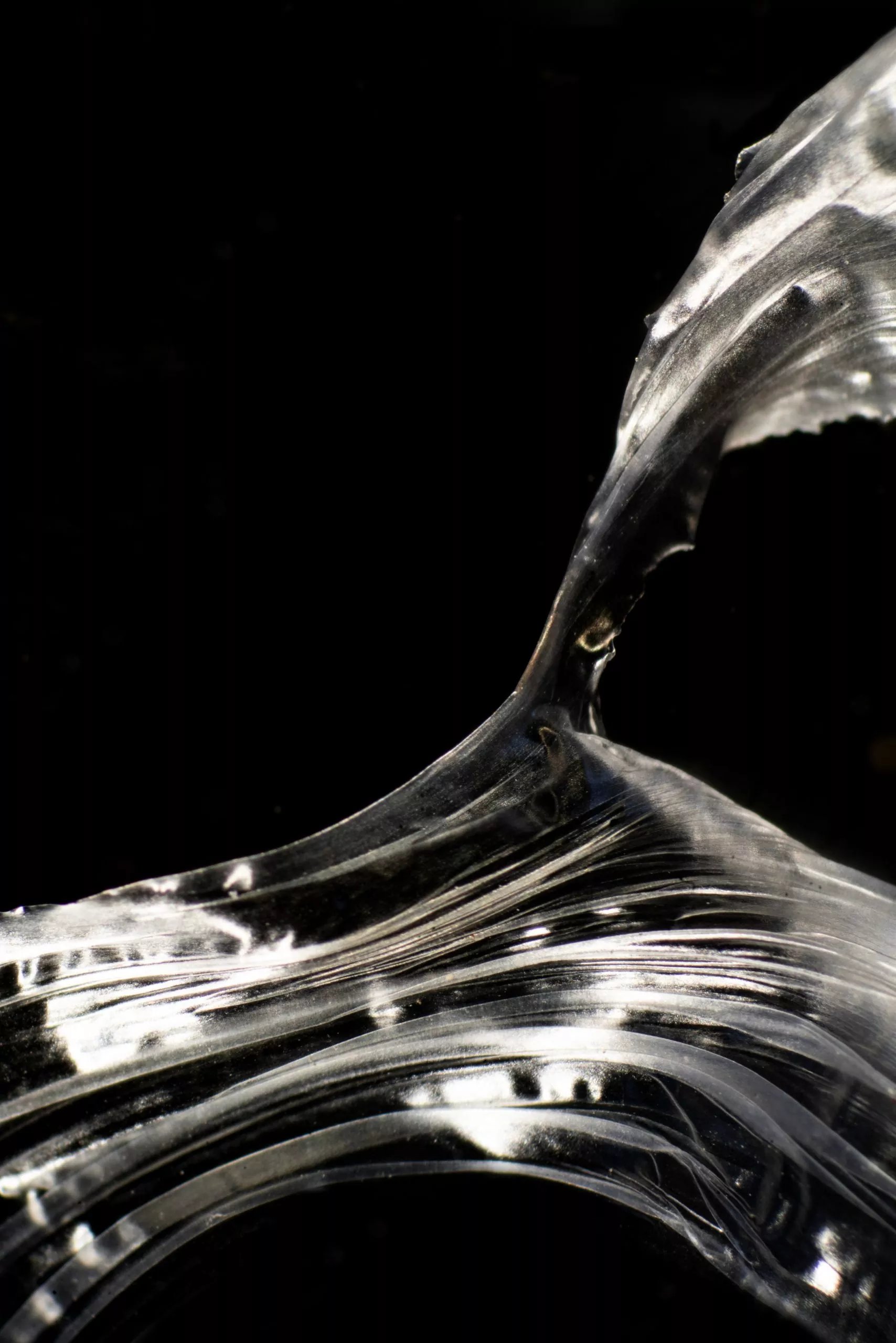
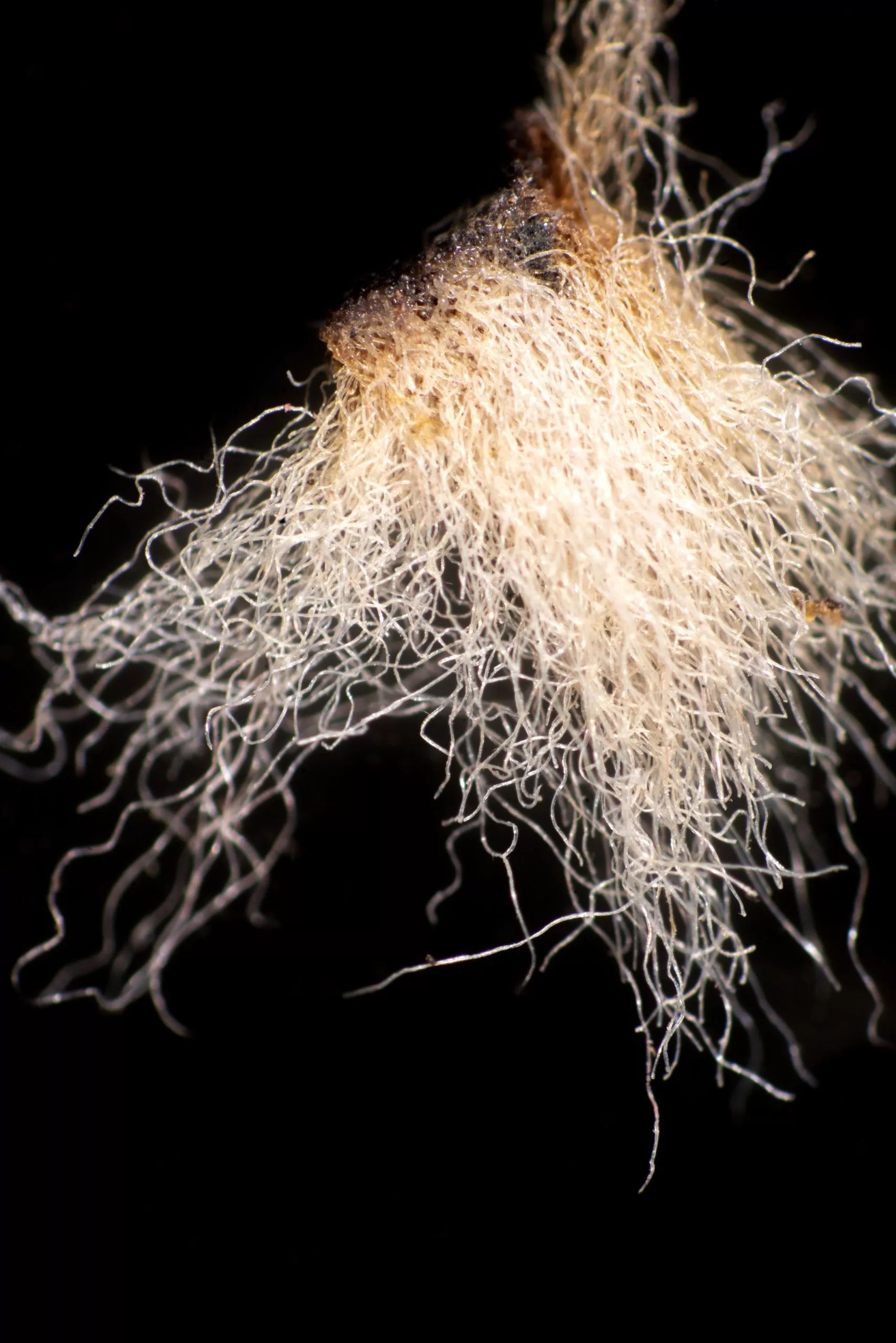
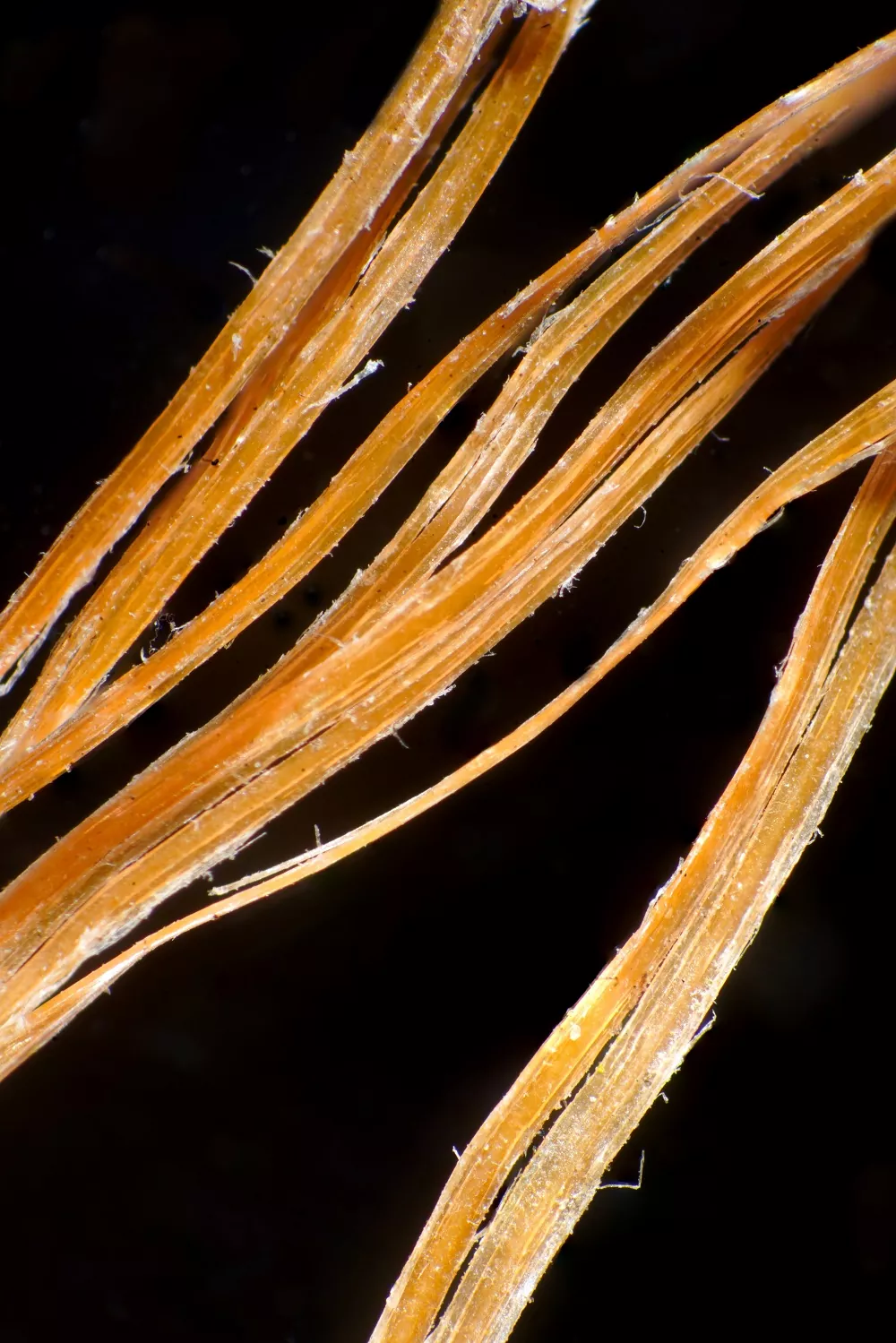
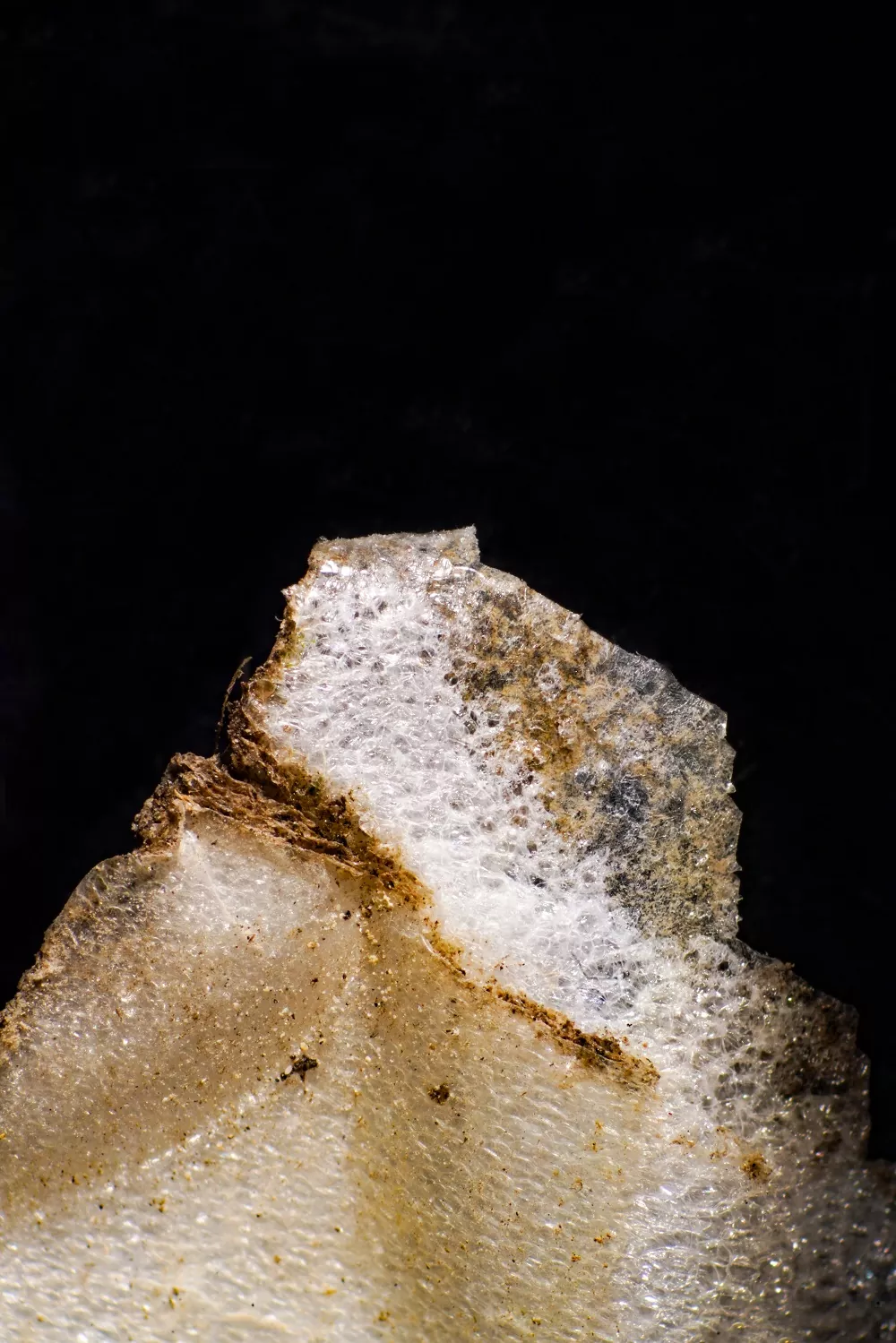
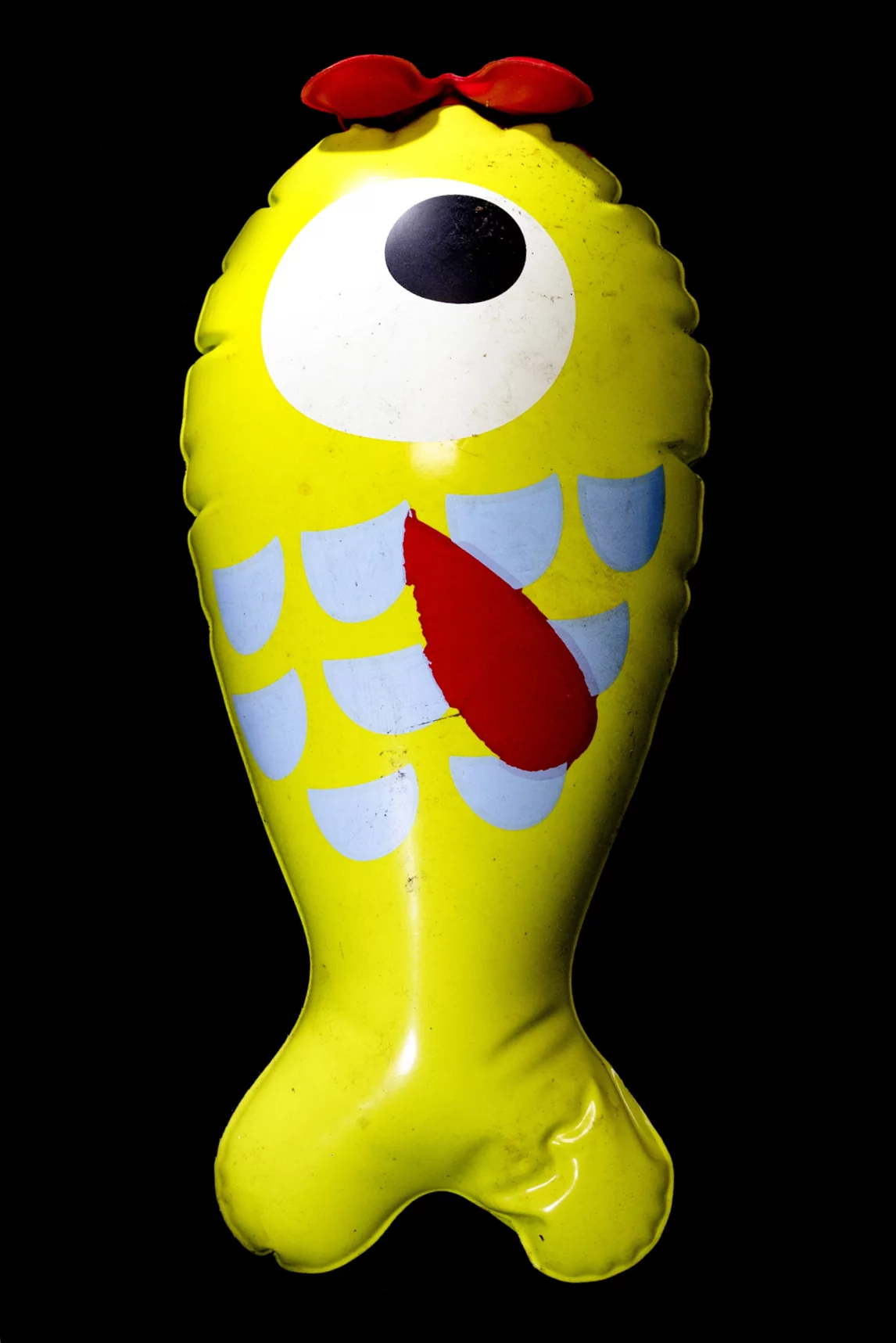
This project, created by Claude Bernhard for Summit Foundation, brings together 20 images of microplastic fragments, all between 1 and 5 mm in size. The approach of the Valais photographer aims to make the invisible visible, to answer the question many of us ask ourselves: "What do microplastics look like?"
Find below the photographs by Claude Bernhard.
LE PROBLÈME DANS LE MONDE
Annual plastic production reached 348 million tonnes in 2017 (Source: PLASTICSEUROPE), and this amount is expected to double by 2030 (Source: HEINRICH BÖLL STIFTUNG). Half of it is used for single use packaging.
According to studies, 3% to 10% ends up being released into the environment, where plastic fragments until it can be found absolutely everywhere. According to a study published in 2019, a human ingests on average more than 5 g of microplastics per week, the equivalent of a credit card (Source: WWF)!
Beyond the transport of waste (macro waste, micro waste and nano waste) by water, microplastics are also carried by the wind.
Plastic threatens food security, human health and coastal tourism, and contributes to climate change.
THE PROBLEM IN SWITZERLAND
According to the models, 1% to 5% of plastics are suspended in the water, and the rest sinks to the bottom.
Selon les modèles, 1% à 5% des plastiques sont en suspension dans l’eau, le reste coule au fond.
Result: less than 5 tonnes per year leave Lake Geneva via the Rhône.
Early scientific work has shown their presence in completely uninhabited regions, including in mountain lakes above 1500 m (Source: AQUALTI).
Switzerland is Europe’s water tower. Yet our waters are as polluted as those of the Mediterranean Sea (Source: OCEANEYE).
It is urgent to act against plastic pollution, including in our mountains and waters, by further documenting the issue, informing the general public to raise awareness of what is at stake, and promoting alternative solutions to single use packaging, which are increasingly numerous and effective.
Trained as a geochemist, with a specialisation in groundwater dating in arid environments, Claude Bernhard currently works as a science journalist and photojournalist, mainly on topics related to climate warming in the Alps and on issues relating to water resources.
Author of two richly illustrated books ("Evolène, Regard sur un paysage" and "La Voix des Eaux, des Alpes au Léman"), she seeks to offer a new perspective on environmental issues, combining scientific relevance with the aesthetics of photography.
Discover her world: WWW.CLAUDEBERNHARD.COM
ACKNOWLEDGEMENTS
- Claude Bernhard
- Nathalie Chèvre, UNIL
- Serge Stoll, UNIGE
- Hans-Rudolf Pfeifer, UNIL
- Ninian Hubert Van Blyenburgh, UNIGE
- Hans Peter Kohler, EAWAG
- Marc Bernard, Service de l'environnement, Section protection des eaux, Canton du Valais
- Pierre-Yves Bernhard
- Commission internationale pour la protection des eaux du Léman, CIPEL