
CLEANER MOUNTAINS
ODYSSEY OF THE LAKES
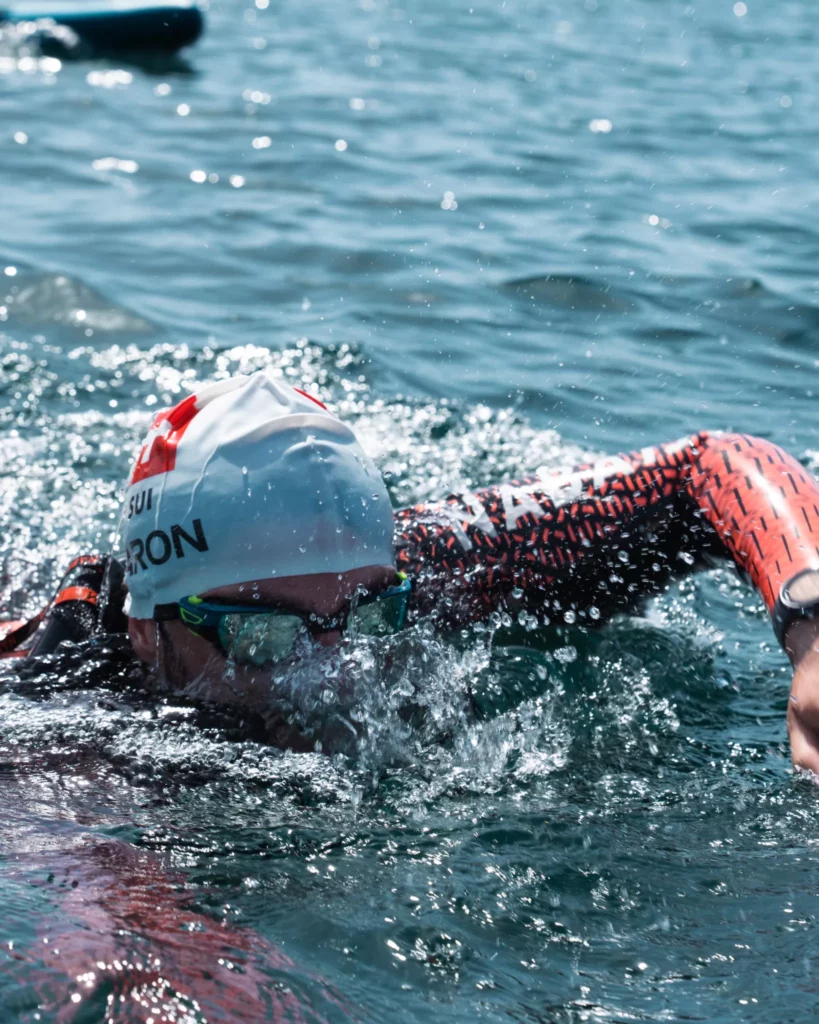
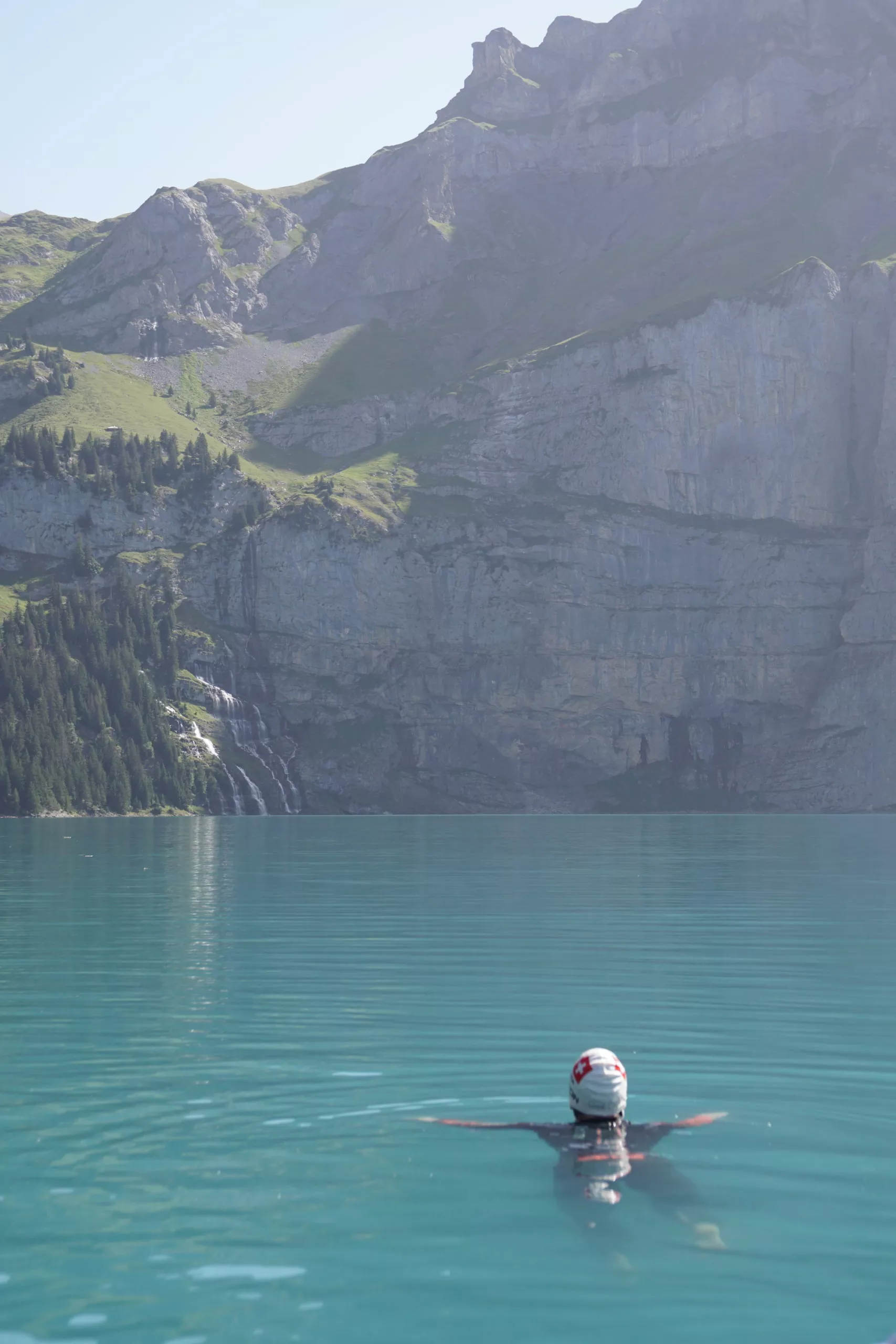
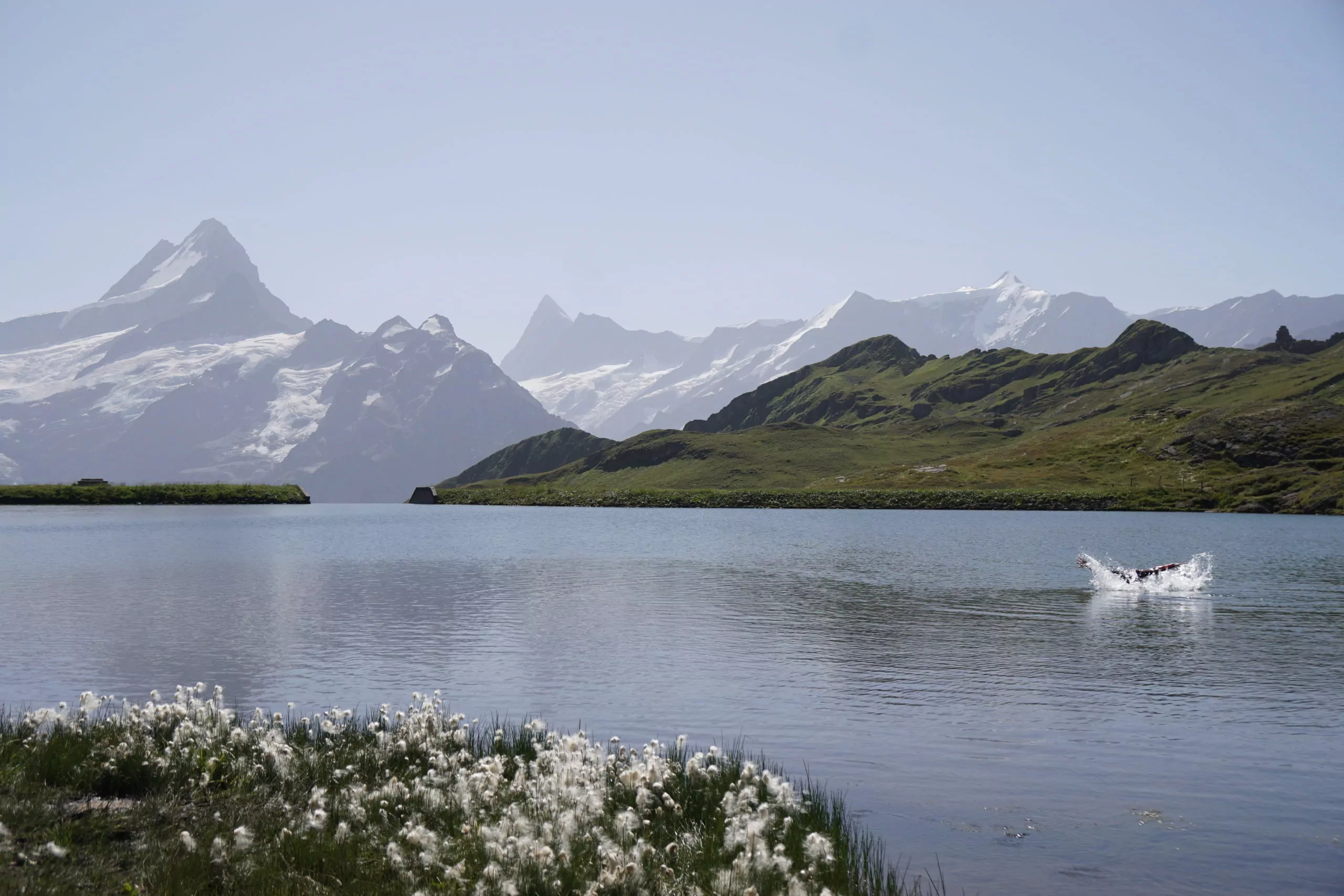
The Odyssée des Lacs (ODL) is an eco-sport project led by Noam Yaron, a young resident of Morges, who completed the challenge of a triathlon across Switzerland during the summer of 2023. His ambition was to cross the country from East to West by combining running, cycling and swimming, tackling 10 high-altitude lakes. Through the ODL, Noam raised public awareness about preserving water resources and lake biodiversity by leveraging the media reach of his achievement. To support this initiative, Summit Foundation partnered as the ODL’s environmental partner, helping to set up a scientific and communication project around this challenge.
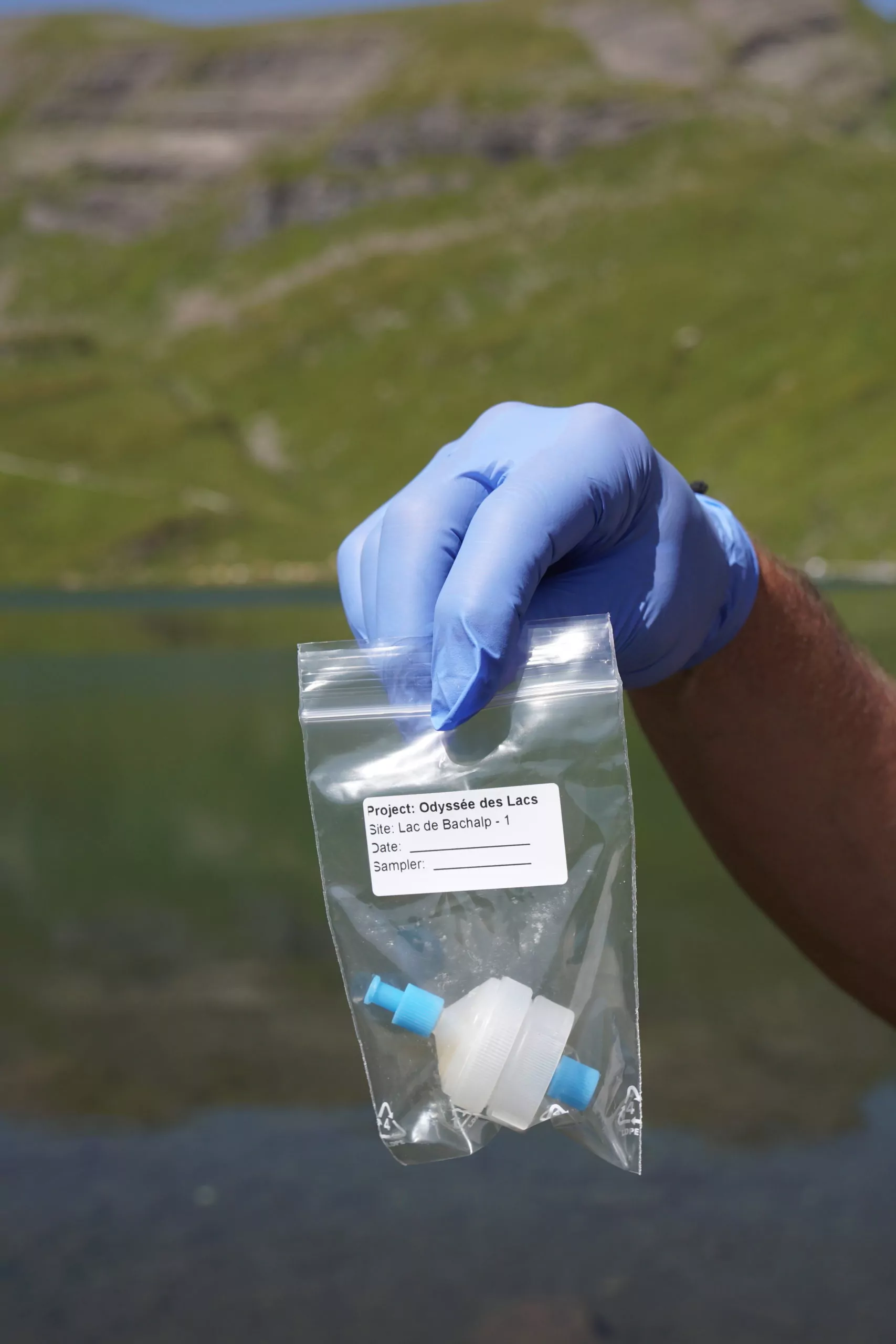
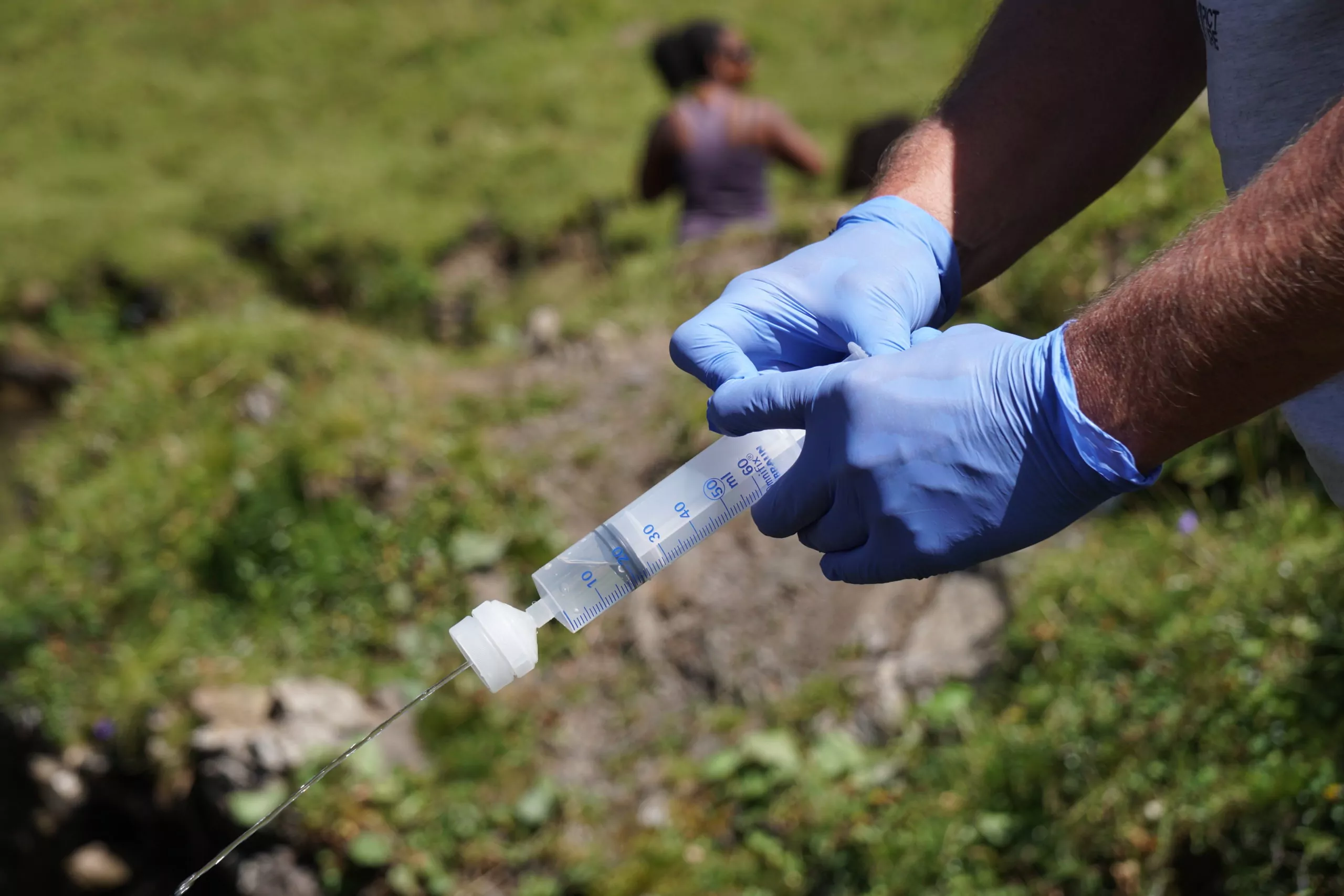
In Switzerland, the state of biodiversity is considered worrying, with half of natural habitats and one third of species under threat. It is therefore essential to closely monitor high-altitude lakes, which are fragile ecosystems, and this is why the scientific component of the ODL collected data on the biodiversity of the 10 lakes. To do so, Summit Foundation collaborated with the ODL on an environmental DNA (eDNA) sequencing project, a biotechnology that makes it possible to identify species in a given environment.
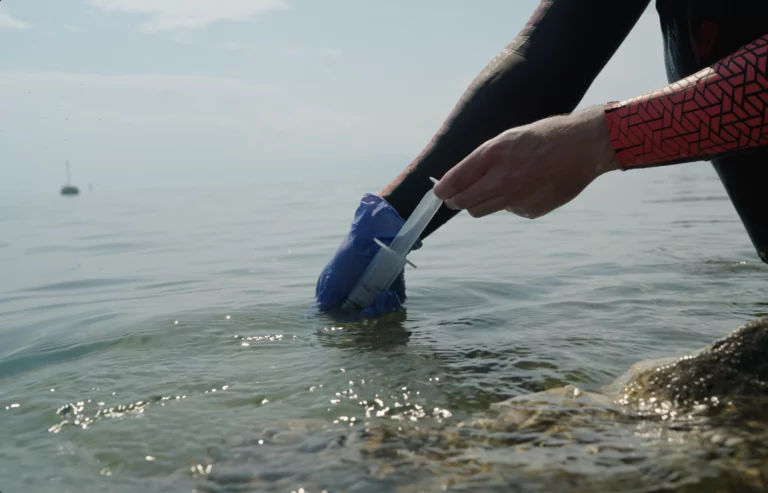
To this end, a member of the foundation accompanied Noam Yaron and his team throughout the entire challenge in order to carry out a sampling campaign. Depending on the size of the lakes, one or more surface water samples were collected and then sent to a laboratory, which sequenced the eDNA. The results were then analysed and translated into messages that the general public could understand, and were also made available to municipalities and cantons to encourage them to carry out further inventories in the future.
Summit Foundation a également tiré parti de ces analyses d’ADNe pour évaluer la présence de la moule quagga (Dreissena bugensis), une espèce exotique envahissante originaire de la mer Noire ayant des impacts significatifs sur les écosystèmes aquatiques. Au cours des dernières années, cette moule a proliféré dans les lacs suisses, prenant la place d’espèces locales et entraînant une importante perte de biodiversité. Cependant, sa présence dans les lacs d’altitude supérieure demeure incertaine, et le projet scientifique de l’ODL a permis de conclure que la moule quagga n’a pas encore colonisé ces 10 lacs d’altitude en Suisse.
Pour en savoir plus, le rapport complet de ce volet scientifique est en libre accès à ce lien : https://www.simplexdna.com/odyssee-des-lacs .
In parallel with the research project, the foundation also summarised a description of good practices to adopt around high-altitude lakes. This list, which aimed to raise public awareness and serve as a guide to reduce the impact of the ODL project on mountain lakes, is available below.
1) Cleaning of nautical equipment
Before boating or swimming in a mountain lake, it is important to thoroughly clean any equipment (board, wetsuit) that has already been used in other bodies of water. This is to limit contamination of the environment by invasive species, viruses or fungi, for which humans are major vectors of spread. These organisms, barely visible to the naked eye, cling to equipment and take advantage of our movement between different water bodies to colonise new habitats. To stop their spread, it is essential to clean, dry and inspect your equipment.
The best known example is the quagga mussel, which has colonised a large number of lakes in Switzerland, whereas it was still completely absent from aquatic ecosystems just a few years ago. It is an invasive species that reproduces everywhere, all year round, and has a tremendous impact on the ecosystems where it becomes established. By drawing heavily on resources (oxygen, nutrients), it endangers native fauna and flora and takes over the available space. It is therefore essential to prevent its introduction into mountain lakes, where its impacts would be even more devastating.
Although they are essential to prevent sunburn and skin damage, sunscreens have harmful impacts on the environment. Indeed, these products contain UV filters or preservatives that act as endocrine disruptors and can have significant effects on aquatic species. There is therefore a link between UV filters and damage to fauna and flora, making aquatic environments and their biodiversity more vulnerable. This is even more true for mountain lakes, which are aquatic ecosystems with slow renewal.
The controversial ingredients to avoid are:
– Benzophenone-3
– Octocrylene
– Homosalate
– Octinoxate
It is therefore advisable to choose sunscreens that do not contain these ingredients and, if needed, to prioritise purchasing products certified by recognised environmental labels that exclude UV filters:
– Ecolabel
– Ecocert
– Cosmos Organic
In any case, you should not apply sunscreen before swimming.
3) Use of trails
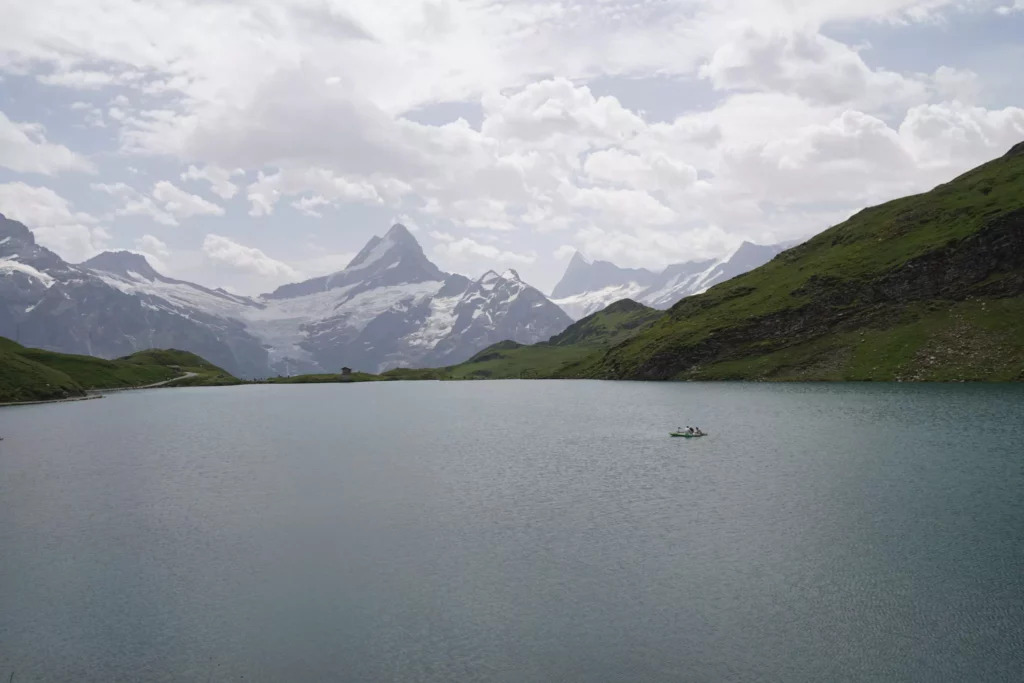
A mountain lake is unique and fragile, but it is not limited to the visible body of water. It is part of a much more complex ecosystem that includes vegetation, soils, flora and fauna, where everything is connected and constantly interacting. In short, the health of mountain lakes depends on the health of the elements that surround them. It is important to be aware of this ecosystem reality in order to adopt good practices. Protecting the entire ecosystem around the lake means protecting the mountain lake.
With this in mind, a good practice is to follow the access guidelines for the lake and use only marked trails. The aim is to avoid creating new trampling areas, in order to protect soil dynamics and plant species, which are often fragile in alpine environments. This rule is very important to respect because around mountain lakes there are also wetlands, often protected, which serve as refuges for species such as amphibians and dragonflies. The slightest trampling can harm them.
A gesture that helps respect mountain lakes and the ecosystems they depend on is to stick to the trail route and avoid taking shortcuts.
4) Small actions
In environments as fragile as mountain lakes, every small action matters to reduce our footprint. Because these environments are sensitive, it does not necessarily take much disturbance to start altering how they function. With this in mind, even the smallest action is important (see Summit recommendations on the ODL web page).
5) Moderation on social media
Social media, even when used to raise environmental awareness, highlights places and makes people want to go there. Paradoxically, this contributes to the indirect degradation of an environment, because the more visited it becomes, the greater the risk of irresponsible behaviour and the more the environment will be degraded. This also applies to mountain lakes.
Il est donc important de partager ses photos avec modération, car les réseaux sociaux sont un vecteur puissant de fréquentation des milieux. Dans cette perspective, ne pas indiquer sa localisation éviterait que les visiteurs ne se concentrent autour des mêmes lacs et assurerait ainsi un minimum de tranquillité au milieu.