

CLEANER MOUNTAINS
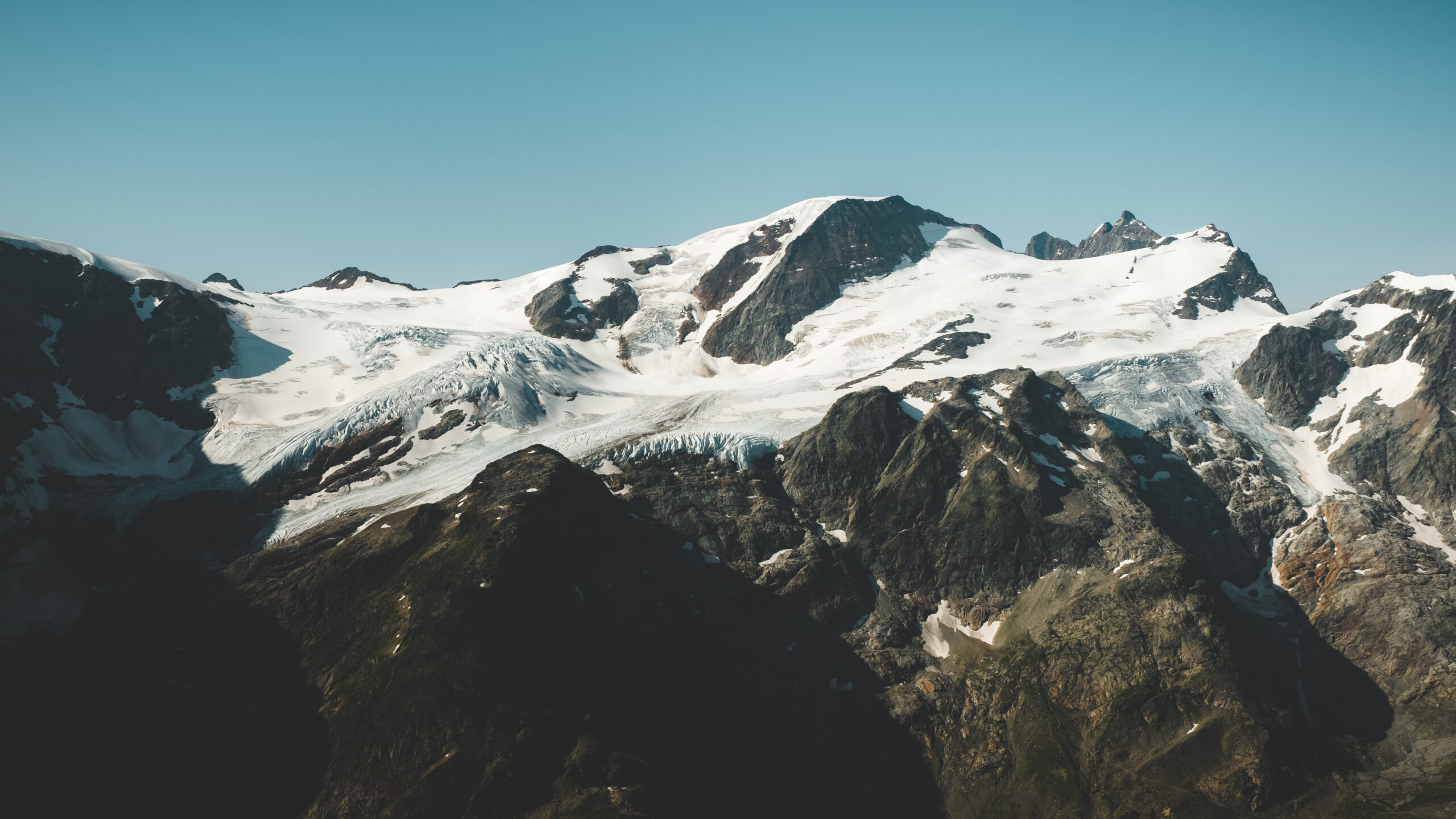
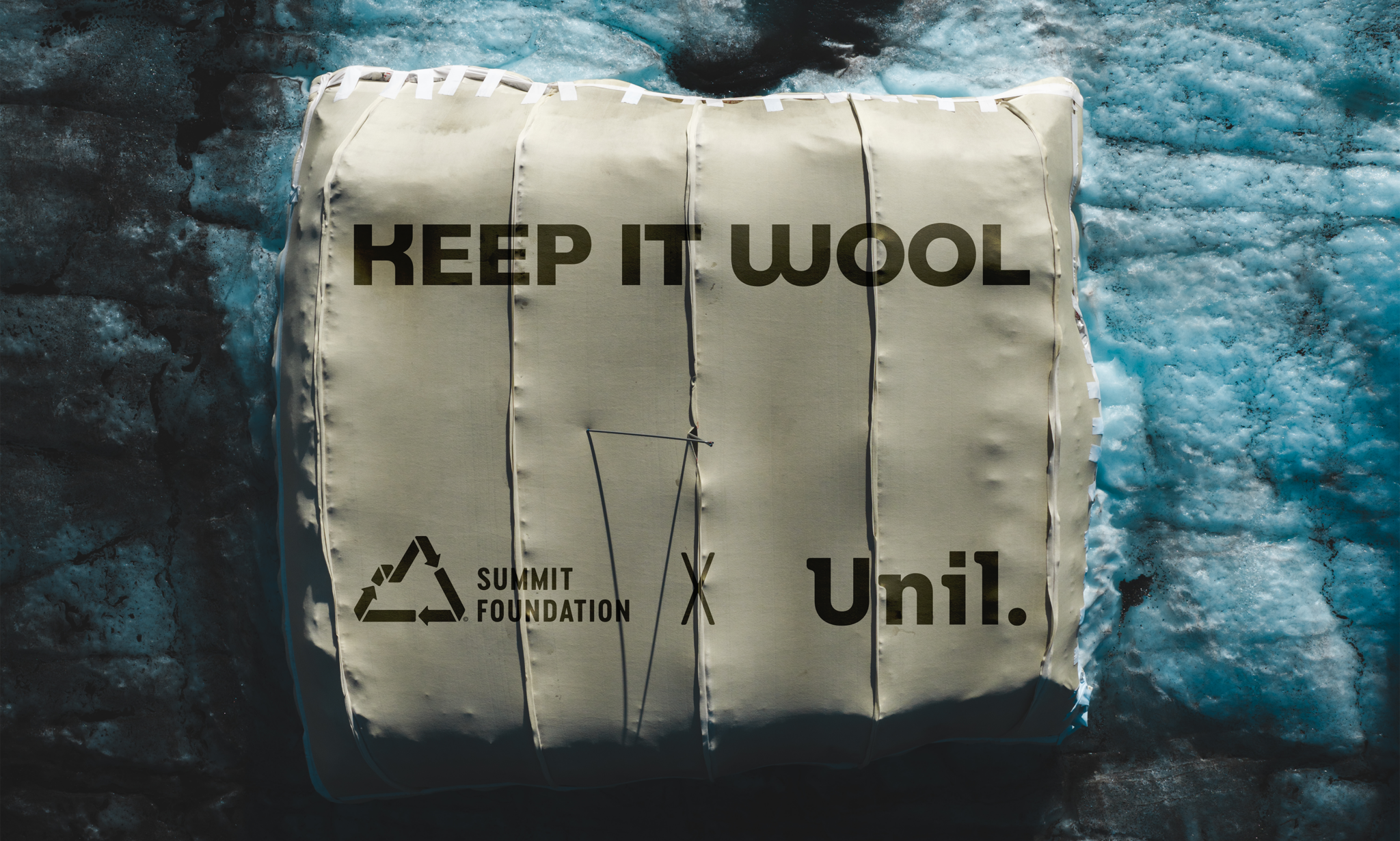
“Keep It Wool”: Wool in the service of glaciers
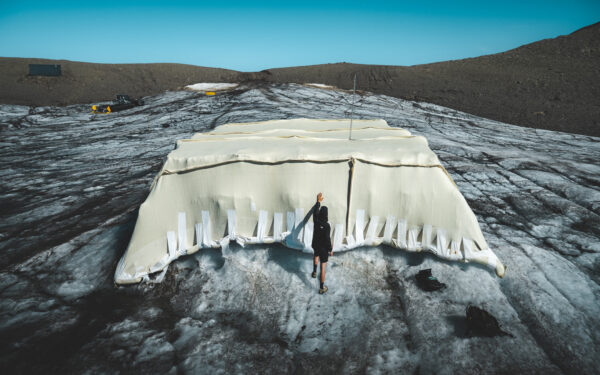
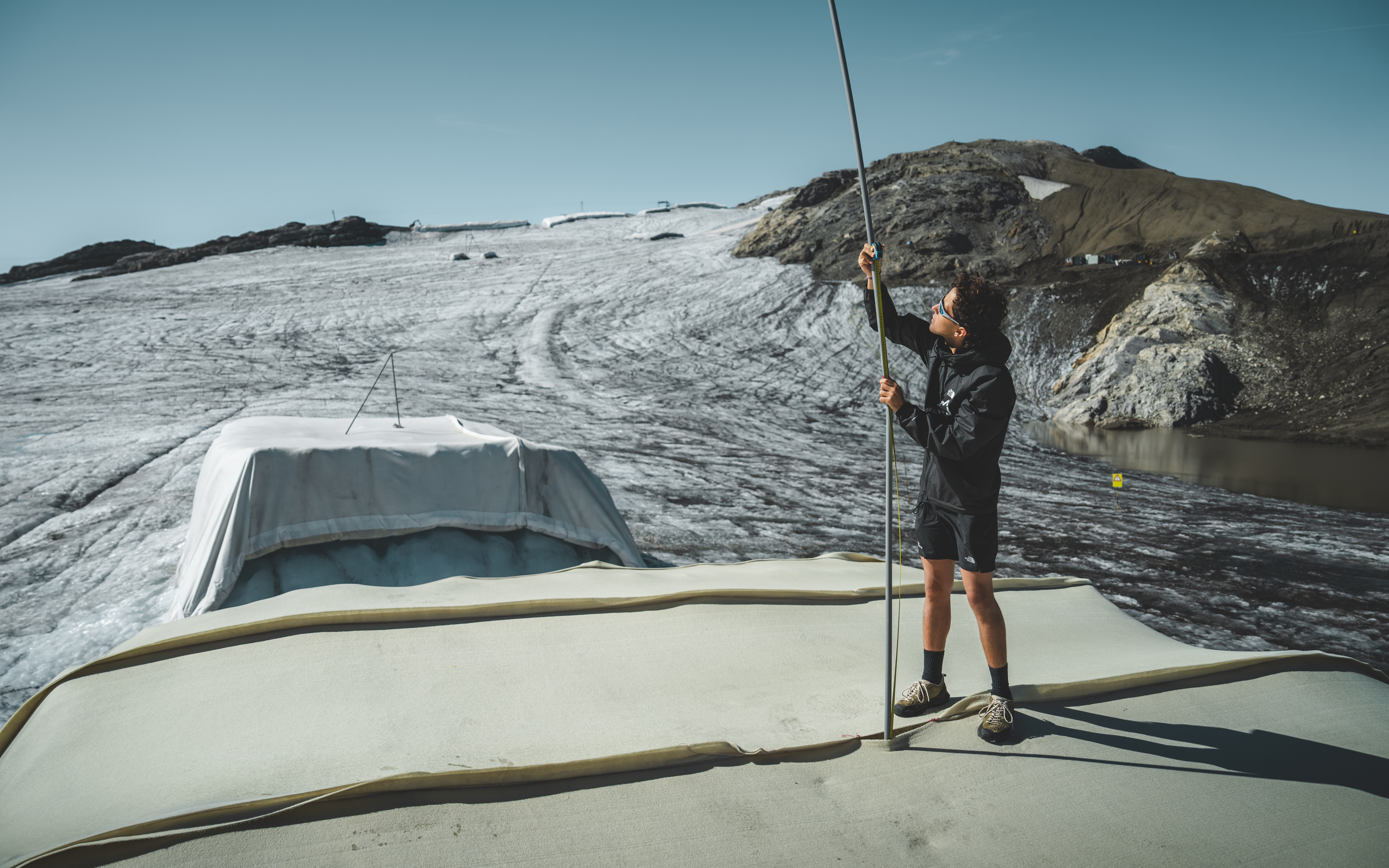
Two wool covers and one synthetic cover were installed to compare their effectiveness / Summit Foundation
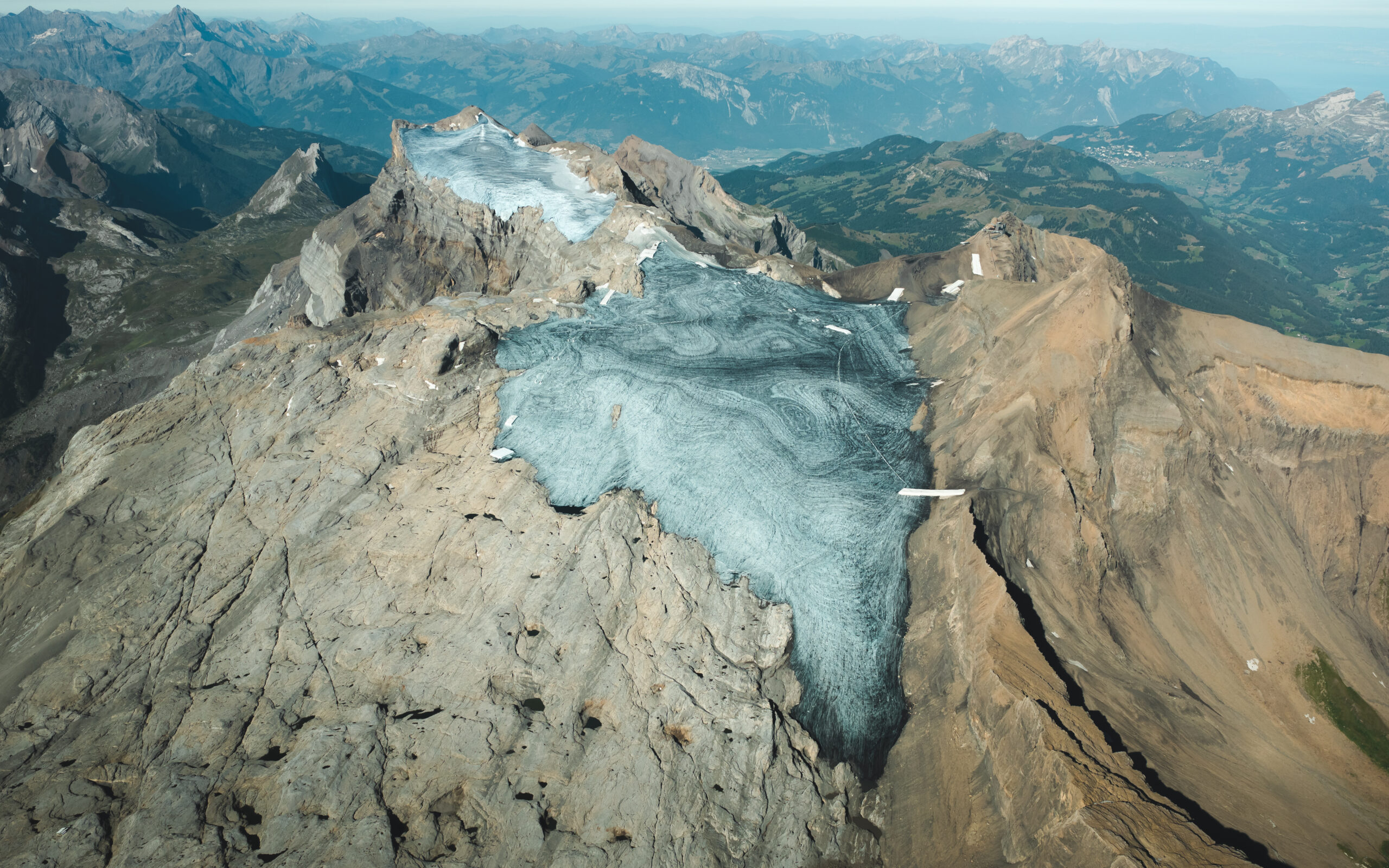
On 22nd June 2026, following several months of research and preparation, two 10-by-10-metre wool cover prototypes, made in two different thicknesses, were installed on the “Glacier 3000” in Les Diablerets, in the canton of Vaud, Switzerland. To compare the results, a geotextile cover of the same size was installed alongside them.
Promising initial results
Measurements were taken every two weeks until September. The aim? To determine whether wool, a natural, biodegradable material produced in Switzerland, can withstand high-mountain conditions and whether its insulating properties help protect snow and ice from the effects of the sun. Stakes installed in the middle of the covered areas made it possible to monitor snow and ice melt.
Alternative to synthetic geotextiles
A promising avenue, but not a miracle solution
Close-knit network of collaborations




SOURCES
- « Textile glacier protection », texpertisenetwork.messefrankfurt.com, 13 Februrary 2024.
- « Comment éviter que la laine suisse parte en fumée », 24 Heures, 24 February 2024.
- « Glaciers: future and effects », naturalsciences.ch, accessed on 31 August 2026.
- « 1,000 Swiss glaciers already gone, and the melting is speeding up », sciencedaily.com, 1er octobre 2025.
- « Quantifying the overall effect of artificial glacier melt reduction in Switzerland, 2005–2019 », sciencedirect.com, avril 2021.