
CLEANER MOUNTAINS

PLASTILAC
PLASTILAC is a research project aimed at quantifying the presence of microplastics in high altitude Alpine lakes. Conducted since 2019 by the AQUALTI association in France, it aims to determine the extent of the atmospheric transfer of plastic particles into remote ecosystems that are, a priori, little affected by human activity.
In Switzerland, the presence of microplastics in Alpine lakes is still very poorly documented. Yet these particles can have a major impact on aquatic ecosystems, which is why research projects are needed to quantify the extent of this atmospheric pollution in our mountains.
Since 2022, the Summit Foundation has been working with the AQUALTI association to extend the research carried out under PLASTILAC to Switzerland, in collaboration with Université Savoie Mont-Blanc. The project involves not only a scientific approach, but also a significant effort to raise awareness among the general public and schools. In the long term, the scientific component will make it possible to better understand the mechanisms of transfer and accumulation of plastic microparticles in Alpine aquatic ecosystems.
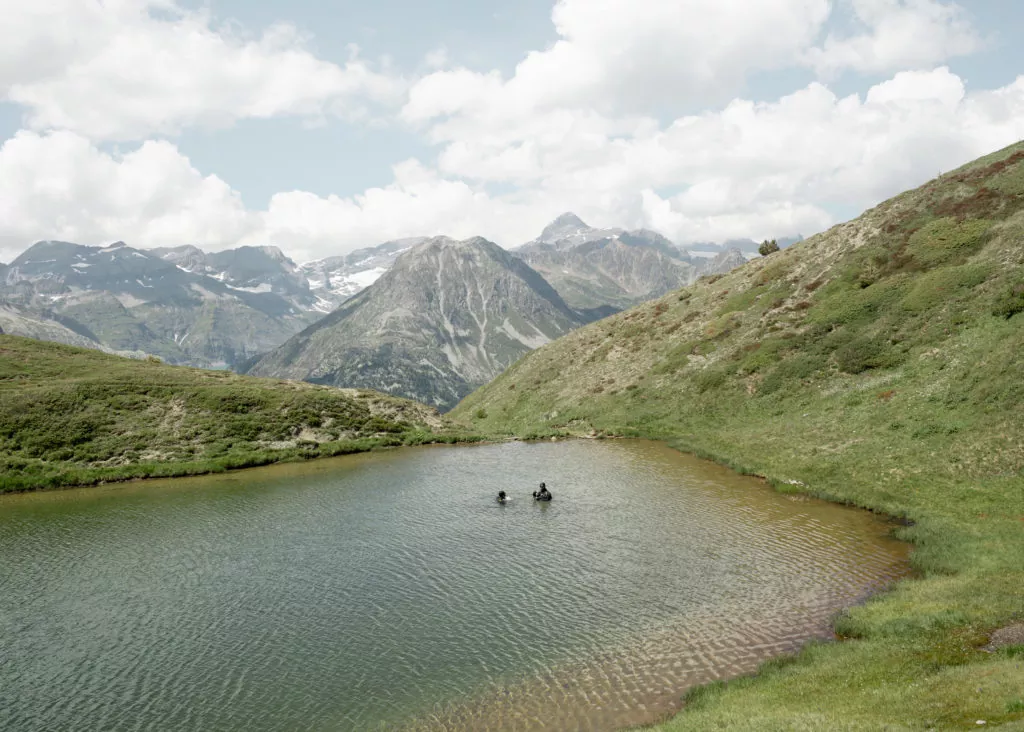
Following the major « Clean Mont-Blanc » project carried out in 2021, which made it possible to detect traces of microplastics in the glacial streams of the Mont Blanc massif, it was decided to launch the first PLASTILAC research session in 2022 at Lake Catogne, between Trient (VS) and Vallorcine (F). This first expedition was followed by a new sampling campaign in July 2023 at Lake Bachalp, above Grindelwald (BE).
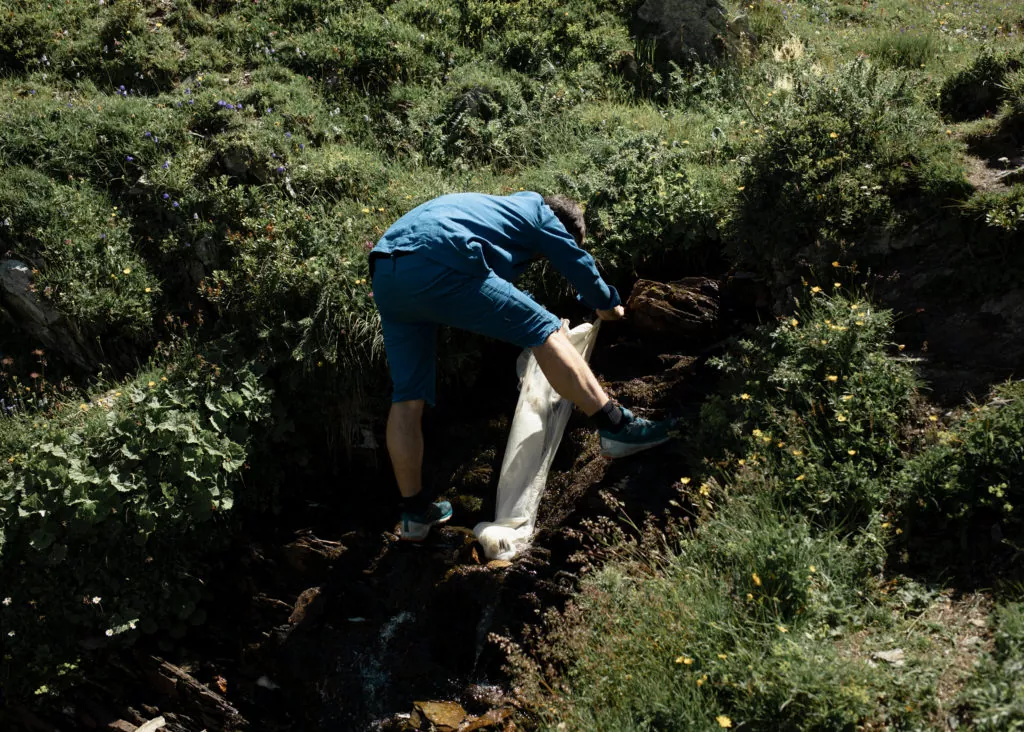
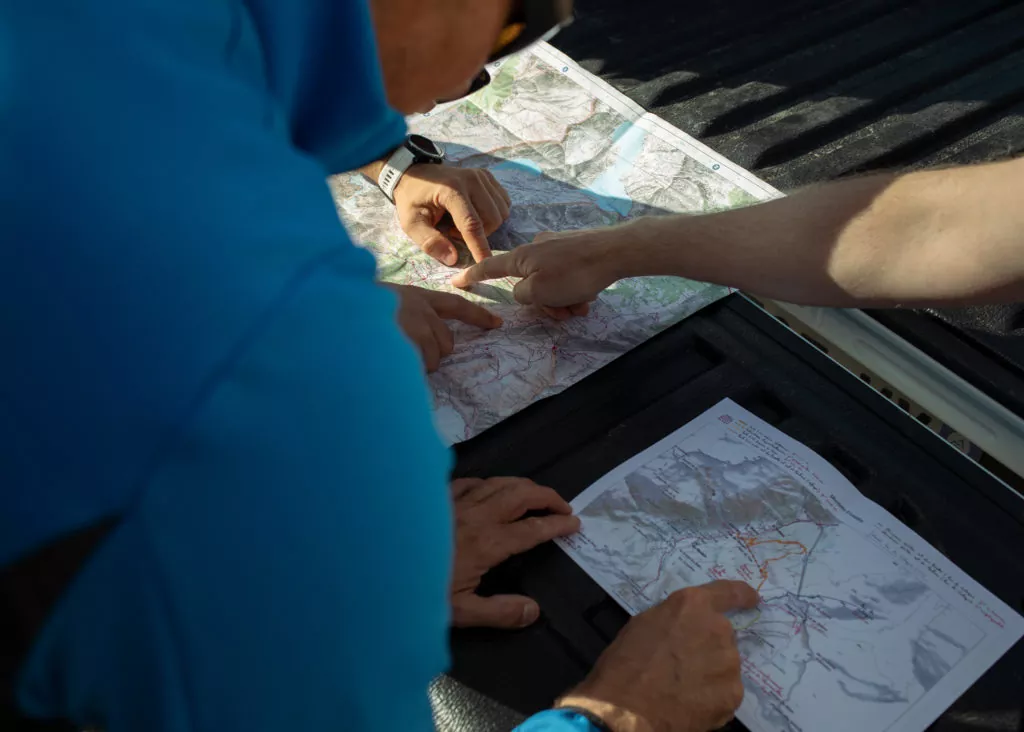
During these expeditions, a multidisciplinary team (researchers, engineers, divers, communications staff, photographers) travels to a mountain lake to analyze the lake’s microplastic content. Part of the sampling is carried out by researchers on surface waters, and a second part is carried out by professional divers at the bottom of the lake, where sediments are collected.
In parallel with these sampling campaigns, AQUALTI and Summit Foundation met in May 2023 at the Emosson Dam to run tests on a new probe developed by HEPIA. This device will provide valuable information on altitude, pressure, depth, temperature, etc. for future expeditions.
A big thank you to the Fondation Sauvain-Petitpierre and to the Swim For Good community, a project of the Rotary Club Montreux-Vevey, for their valuable support for this research project.